




The world is experiencing an aging population. Apart from the elderly, there are many other groups that require accessible environments and services, including individuals with long-term or temporary disabilities, pregnant women, and families with young children. The demand for accessibility in society is expected to continue to grow. In addition to promoting “barrier-free” environments, society has further emphasised the application of “universal design” in recent years. This approach highlights the importance of implementing user-centric designs from the initial design stage to make environments and services more accessible, catering to the diverse needs of users across different ages, abilities, and life stages.
However, our advocacy work has revealed that many professionals in the construction industry do not understand the distinction between “barrier-free” and “universal accessibility”. They also lack the understanding of the needs and challenges of different groups of people, including persons with disabilities.
“Universal accessibility” encompasses a range of social perspectives and professional disciplines, necessitating an educational foundation for its effective application. Therefore, before applying the concept of universal accessibility across various industries, we are committed to educating the community.
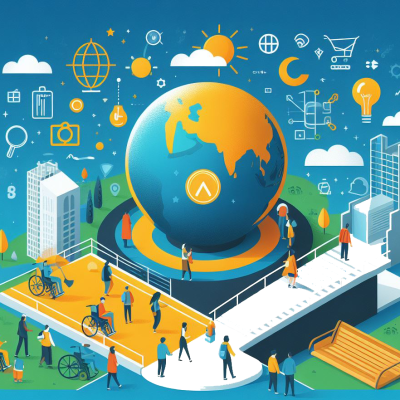
During the 2019 pandemic, we transitioned from face-to-face workshops to online trainings. We found that online education was more effective than traditional methods. Therefore, with the funding support of the Equal Opportunities Commission, we established the “Universal Access for All: Web-Based Education and Promotion Platform on Universal Accessibility Environment”. The platform is designed to enhance public awareness of accessibility and establish a robust foundation for incorporating universal design principles into society.

Disclaimer | Terms of Use | Copyright Notice | Privacy Policy
Copyright © 2026 Rehabilitation Alliance Hong Kong & the Equal Opportunities Commission
Designed & maintained by・AIDA・ a social enterprise